

Good Soil, Good Growth
Veronica Ota
June 14, 2026
You can watch the entire sermon here.
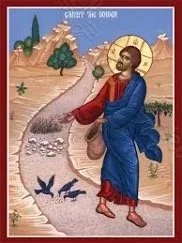
In this reflection on the Parable of the Sower (Mark 4:2-9, 13), I am invited to look beyond the familiar explanation Jesus gives and consider what seeds, soil, and growth can teach me about God’s kingdom. While I may know the parable well, I realize that the people who first heard Jesus tell it lived much closer to the land than I do. For them, healthy soil and successful crops were matters of survival. Today, many of us are disconnected from the rhythms of nature and the realities of growing food, and in that separation, we may miss some of the deeper truths Jesus intended to convey.
God’s Word As Life Giving Power
I am reminded that the seed in the parable represents the Word of God. Like a seed, the Word can seem small, ordinary, and mysterious. Looking at a seed, I cannot easily imagine the life hidden within it. Yet every seed carries the potential for growth, nourishment, and transformation. In the same way, God’s Word contains life-giving power that can sustain, renew, and transform me. Seeds often grow in surprising ways and under unexpected circumstances. Some require difficult conditions before they can germinate. Likewise, I recognize that God can work through challenges, setbacks, and even times when I feel distant from faith, using those experiences to nurture spiritual growth.
The reflection also reminds me that seeds are precious because they come from previous harvests. They are carefully preserved and passed from one generation to the next. In a similar way, the stories and teachings of faith have been handed down through generations of believers who cherished and protected them. The Word of God is a gift entrusted to me, worthy of care and attention.
Do Our Lives Reflect Godly Qualities?
The image of good soil is especially powerful. Soil is not lifeless dirt; it is a living community filled with organisms, nutrients, and constant cycles of life, death, and renewal. Good soil thrives because it shares resources and supports life. This challenges me to consider whether my own life reflects the qualities of healthy soil. Am I generous? Am I willing to receive as well as give? Am I participating in relationships marked by reciprocity, care, and mutual support? Good soil teaches me that life flourishes through connection and sharing.
Planting Seeds Of Hope And Faith
When I think about the sower, I am reminded that God invites all of us to participate in planting seeds of hope and faith. Yet the growth itself is ultimately God’s work. As the Apostle Paul wrote, one person plants, another waters, but God gives the growth. This truth encourages humility. My role is to faithfully plant and nurture, trusting that God will bring forth life in ways I cannot control.
Our Relationship With God’s Creation
The sermon also challenges me to examine my relationship with creation. Modern culture often treats land, crops, and even life itself as commodities to be controlled and exploited for profit. Yet God’s creation is not merely a resource; it is a living community to which I belong. When I pay attention to the natural world, I can see signs of God’s creativity and abundance everywhere.
Better Understanding God’s Kingdom
Ultimately, I am encouraged to reconnect with the miracle of growth, whether through gardening, caring for creation, or simply paying closer attention to the life around me. By learning from soil and seed, I can better understand God’s kingdom—a place of abundance, healing, community, and hope. My calling is to plant, water, and tend faithfully, always giving thanks to the God who alone gives growth.
Veronica Ota is the Peacemaking and Justice Advocate for the Presbytery of San Jose.