

Facing Ourselves In The Wilderness
Rev. Erik Swanson
February 22, 2026
You can watch the sermon here.
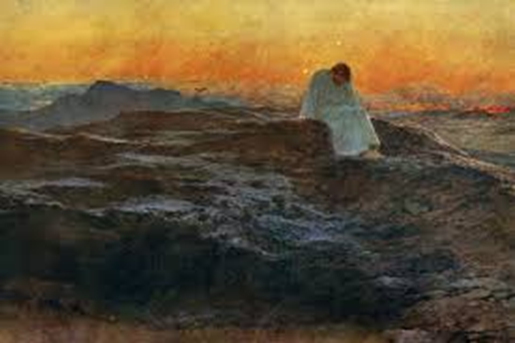
Every year on the first Sunday of Lent, I find myself returning to the story of Jesus in the wilderness. It is such a fitting beginning for this season because it sets the tone for the inner work we are invited to do. The wilderness, in scripture and in our lives, is that place where we are stripped of distractions and brought face to face with who we really are. It is where the noise quiets and we are invited to look honestly at our hearts. It is the place where God’s people have wandered, gotten lost, and ultimately been found. The forty days remind me of Israel’s forty years between Egypt and the Promised Land — the journey from bondage to freedom, from enslavement to liberation.
Wilderness Seasons: The Spirit Leads Us
We may never enter a literal wilderness, but we all know wilderness seasons — times of confusion, loss, or wandering. What strikes me most is that Jesus does not stumble into the wilderness; the Spirit leads him there. This tells me that these stripped-down seasons can be sacred and purposeful. And, of course, in the wilderness come the temptations. Jesus faces them, and so do we. I have come to understand temptation as anything that pulls me away from my center, from my truest and holiest self, from seeing myself and others as held in God.
The First Temptation Lesson: Resting In Who We Are
Temptations often come when we are worn down. When we are tired, hungry, or discouraged, we are more vulnerable. Matthew tells us Jesus was famished, so the first temptation makes sense: “If you are the Son of God…” Right away, his identity is questioned. The challenge is not just about bread; it is about proving who he is. I recognize that temptation in my own life — the pull to prove myself rather than simply rest in who I am. Jesus responds from a deeper place, focusing not on temporary hunger but on God’s sustaining word. That is why Lenten practices like fasting matter to me. They are not about food; they are about uncovering a deeper hunger — a longing for God that nourishes the soul.
The Second Temptation Lesson: We Are Created In God’s Image
The second temptation again begins with “If you are…” — a dare to prove his identity by throwing himself from the temple. Jesus refuses to put God to the test. In the wilderness, he has already claimed who he is; he does not need to perform. I think about how often we have been told, by the world and sometimes even by the church, that we must prove our worth. Yet the early church emphasized Theosis — the belief that we are created in God’s image and are called to grow into that divine likeness by grace. Our holiness is not something to earn; it is something to live into.
The Third Temptation Lesson: Relying Only on God
The third temptation offers power in exchange for worship. To bow down would mean placing his identity and well-being in something other than God. I see how easily we do that — centering our lives on money, status, power, or approval. When we rely on those things for our worth, we lose sight of our true Source.
In Lent: Create A Sacred Space
So in this Lenten season, I invite myself — and all of us — to create sacred space for this inner work. Whether through prayer, silence, devotionals, or retreat, we need time to wrestle with our temptations and reclaim our identity as beloved children of God. The forty days stretch before us. May we enter our wilderness intentionally, trusting that God longs to reveal who we truly are and who we can become. Amen.