

Building On The Foundations Of Non-Cooperation
Rev. Erik Swanson
July 5, 2026
You can watch the sermon video here.
As we celebrate our nation's 250th anniversary, I find myself reflecting on the remarkable vision expressed in the Declaration of Independence. Its words proclaim that all people are created equal and possess God-given rights to life, liberty, and the pursuit of happiness. While our history has often fallen short of those ideals, those principles were revolutionary for their time and continue to challenge us to become a more just society.
Non-Cooperation: Refusing To Accept Injustices
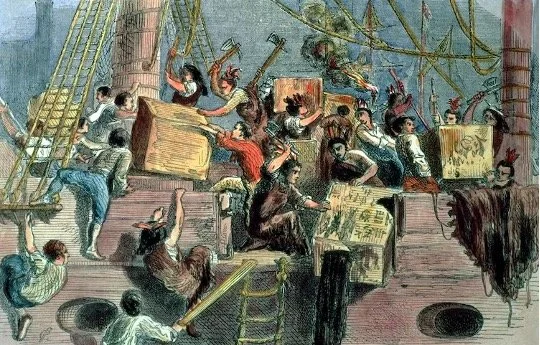
As I look back over our nation's history, I see that many of our greatest advances have come because courageous people refused to accept injustice as normal. Whether it was the Boston Tea Party, the fight for women's suffrage, the Civil Rights Movement, or countless other moments of peaceful protest, change has happened when people of conscience stood against the status quo. They chose non-cooperation with injustice rather than silent acceptance, and their actions helped move our nation closer to its highest ideals.
The Beginnings Of Change
To me, non-cooperation means refusing to go along with systems or practices that are morally wrong. It is a commitment to peaceful resistance, ethical action, and speaking truth even when doing so is uncomfortable. Throughout history, meaningful change has often begun when ordinary people decided that remaining silent was no longer an option. I believe communities of faith also have a responsibility to discern where justice is needed and to speak and act accordingly.
Jesus Challenged The Social and Religious Customs
I see this same pattern throughout the ministry of Jesus. Again and again, he challenged social and religious customs that marginalized people. He welcomed those whom society rejected, crossed cultural boundaries, and confronted traditions that placed human-made rules above compassion. Rather than preserving unjust systems, Jesus consistently demonstrated God's desire for mercy, inclusion, and restoration. His example reminds me that faith is not simply about maintaining tradition but about participating in God's work of healing and justice.
Conforming Versus Transforming
The words of Romans 12: 1-8 continue to challenge us: "Do not conform to the pattern of this world, but be transformed by the renewing of your mind." I understand this as a call to resist simply following the prevailing culture when it conflicts with God's values. Instead, I believe we are called to pursue justice, compassion, unity, and love through both our words and our actions.
That calling extends into everyday life. It invites me to think carefully about how I spend my money, the organizations and businesses I support, the issues I educate myself about, and the ways I participate in my community. It also means being willing to advocate peacefully for what is right, even when doing so requires courage or invites criticism.
Striving For A Greater Future
As I reflect on where our country stands today, I recognize both the promise of our founding ideals and the reality that much work remains. Our history contains inspiring achievements alongside painful failures. If we hope for a better future, I believe we must continue striving toward greater justice, inclusion, compassion, and equality. That will require people who are willing to raise their voices, live out their convictions, and refuse to accept injustice as inevitable. My hope is that, together, we can help move our nation ever closer to the ideals we have long proclaimed and participate in bringing about a more hopeful future for generations to come.