

At The Heart Of God Is Relationship
Rev. Erik Swanson
May 31, 2026
You can watch the sermon here.
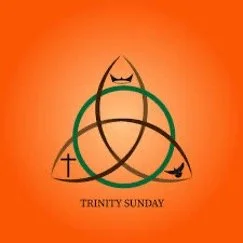
Trinity Sunday invites me to reflect on one of Christianity’s most profound mysteries: the nature of God as Father, Son, and Holy Spirit. Following Pentecost, when we celebrate the gift of the Spirit, it is natural to ask how these three holy figures relate to one another. The church has long wrestled with this question, eventually describing God as the Trinity — three persons sharing one divine essence. Traditionally, we speak of God as Creator, Redeemer, and Sustainer, different expressions of the same divine reality.
One In Three
One perspective that particularly resonates with me comes from Richard Rohr. Rather than emphasizing “three in one,” he suggests thinking of God as “one in three.” This shifts the focus from conformity to diversity within unity. The Father, Son, and Spirit are distinct, yet perfectly united in love and relationship. For me, this offers a powerful model for humanity. Imagine a world where our differences were not reasons for division but opportunities for understanding, learning, and connection.
All Are Created In The Divine Image
When I look at the creation story, I see a God who created all people in the divine image. Scripture does not rank one group above another or suggest that some people bear God’s image more fully than others. Yet throughout history, humanity has often ignored or distorted this truth. If we truly want to reflect God’s image, then we must learn to relate to one another as the Trinity relates within itself — with mutual respect, honor, and unity amid diversity.
How We Treat Others Who Are Different From Us
This understanding challenges me to consider how I treat those who are different from me. Instead of fearing or rejecting others because of their nationality, race, gender, or sexual orientation, I am called to recognize the image of God within them. Division, hatred, violence, and discrimination stand in direct opposition to the loving communion modeled by the Trinity. God’s way is one of relationship, inclusion, and unity.
I am encouraged by examples of people working toward that vision. In our community, The Presbytery raised significant funds were raised to provide legal representation for immigrants facing detention and deportation. While that support is important, it also reminds me of larger injustices that continue to affect vulnerable people. Likewise, many LGBTQ+ individuals still face prejudice and exclusion. If I truly believe that every person bears God’s image, then I must seek ways to stand with those who are marginalized and work toward a more compassionate and just society.
Our Relationship With God And Others
The Trinity also teaches me something about my relationship with God. Belief alone is not the same as relationship. I can acknowledge that God exists, but genuine faith calls me into ongoing engagement with God through prayer, meditation, attentiveness, and openness. God is not merely an idea to affirm but a living presence inviting me into deeper communion.
Finally, I am challenged to reflect on how Christianity has sometimes failed to embody this relational vision. Throughout history, missionary efforts have too often been tied to coercion, violence, domination, and cultural destruction. When people fail to see the image of God in others, harm follows. If the gospel is truly good news, it must be shared through respect, humility, love, and authentic relationship.
God’s Nature Is Relational
As I celebrate Trinity Sunday, I am reminded that God’s very nature is relational. My calling is to reflect that divine pattern by relating to God and to others with love, respect, and compassion. May I learn to see the image of God in every person and allow that vision to transform both my heart and my actions.